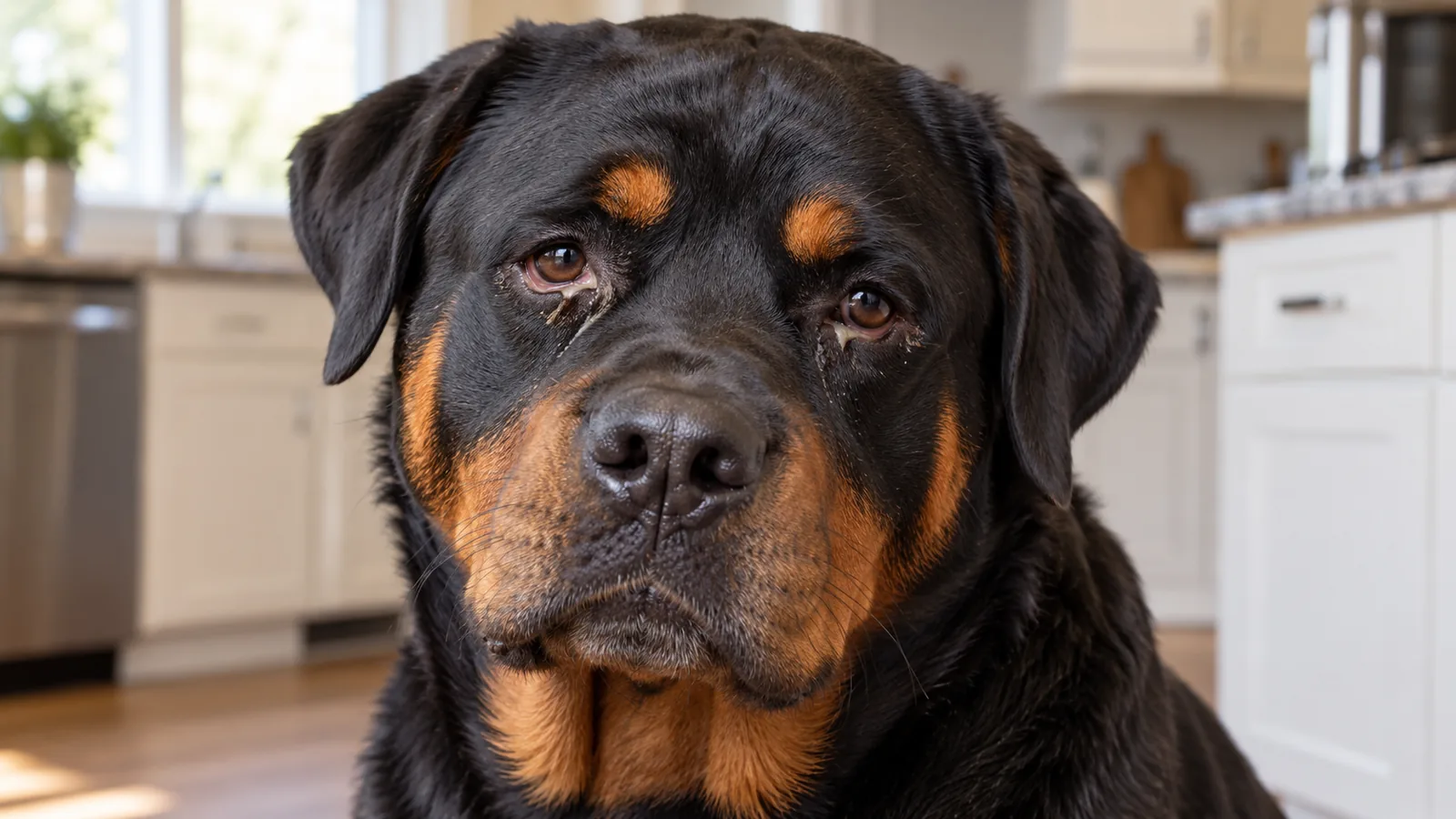
How long an eyelid correction can safely wait depends on what the cornea looks like today, because friction or dryness can turn a manageable case into an ulcer in a day or two. Entropion rolls the lid inward so hair and lashes scrape the surface, and ectropion leaves it sagging outward so tears cannot spread evenly. A comfortable eye with a clear cornea can usually be held steady with lubrication and any medication you were sent home with until the surgery date. An eye that is already ulcerated, or a lid rolled in tightly enough that hair never leaves the surface, belongs at the front of the schedule, and some young pets need a temporary measure to hold it away from the cornea in the meantime.
If you’re worried about your pet’s eyelid positioning causing long-term damage, the time to act is now. East Wind Animal Hospital in Willow Grove handles surgery that ranges from routine procedures to complex repairs, and we will tell you clearly what can wait for the recheck and what cannot. If the eye clouds, reddens, or your pet holds it shut, that is a same-day visit rather than a wait-and-see, and our urgent care hours run six days a week and into the evening Monday through Thursday. Let us take a look whenever something about the eye changes.
Entropion and Ectropion Surgery: The Quick Version
- Entropion rolls an eyelid inward so hair and lashes rub the cornea; ectropion sags it outward so tears can't spread. Both are structural, and surgery is what corrects them.
- A comfortable eye with a clear cornea can usually wait for a scheduled repair. An ulcerated or tightly rolled lid moves to the front of the calendar.
- Puppies and kittens whose faces are still growing often get a temporary stitch that holds the lid off the eye until a permanent correction makes sense.
- Most pets are more comfortable within a week of surgery, though corneal scarring that formed beforehand may not clear completely.
Is It Entropion, Ectropion, or Both?
One eye can have both: the middle of the lower lid sags outward, which is ectropion, while the corners roll inward, and that mix is common in breeds with loose facial skin. A watery eye has other causes too, such as a stray lash, a blocked tear duct, allergies, or a scratch, so we check lid position along with the cornea and the tear film.
- Which way the lid turns: entropion turns in toward the cornea, while ectropion droops out and away from the eye.
- What families notice first: entropion brings squinting, tearing, and an eye that looks half closed. Ectropion shows as a droopy lid, visible pink tissue, and a loose pocket below the eye.
- What each does untreated: with entropion, hair and lashes abrade the cornea with every blink until corneal ulcers form, which can deepen, scar, and in the worst cases cost the eye. With ectropion, the dry exposed surface collects dust, pollen, and bacteria in that open pocket, so conjunctivitis and eye discharge keep coming back weeks after treatment clears them.
- When each tends to appear: entropion usually shows up in puppies and young dogs, while ectropion appears early in loose-skinned breeds or later as facial tissue loosens with age.
Which Signs Mean the Eye Needs to Be Seen Today?
Squinting, constant tearing, pawing at the face, and a sudden dislike of bright rooms are signs of eye pain, not cosmetic quirks a pet grows out of. Add a cloudy patch or an eye that stays closed, and the visit happens today.
Also on the watch list:
- A blue-gray or hazy spot on the surface: haze usually means the cornea is damaged, not just irritated.
- Thick yellow or green discharge: clear tears point to irritation, while color suggests infection.
- Face rubbing on carpet, furniture, or your leg: a pet trying to scratch an eye they can't reach.
- Redness creeping across the white of the eye: inflammation spreading past the lid margin.
Don't put human redness-relief drops in your pet's eye, and don't reach for leftover ointment from an old problem or another pet. A steroid ointment on an ulcer can deepen the damage fast.
If the eye changes on a Sunday, or after we close for the evening, head to a specialized pet emergency hospital. During the week, an urgent care visit at our Willow Grove hospital gets the cornea looked at the same day.
Which Dogs and Cats Develop Entropion or Ectropion?
Many eyelid disorders trace back to the shape a pet is built with: skull shape, the weight and thickness of the facial skin, and how deeply the eye sits in its socket.
- Heavy facial folds and loose skin: Shar-Pei, Chow Chow, Bloodhound, Mastiff, and Saint Bernard puppies top the entropion list. Inherited entropion passes from parent to puppy in many breeds, so a littermate or a parent often has the same inward roll.
- Deep-set eyes and tight lid openings: Rottweilers, Labradors, Golden Retrievers, and some terriers can roll the lower lid inward with no obvious excess skin.
- Naturally loose lower lids: Basset Hounds, Cocker Spaniels, Great Danes, and Newfoundlands are the classic ectropion breeds, and some carry both faults in one eye.
- Flat faces, cats included: Flat-faced cats like Persians and Himalayans have shortened facial bones that pull the lids out of alignment and crowd tear drainage. Pugs, Pekingese, and Bulldogs belong in the same category.
- Causes that have nothing to do with pedigree: tissue tone fades with age, scarring from an old injury can tug a lid out of place, significant weight loss changes how the eye sits, and pain alone can hold a lid clenched long enough to roll it inward.
If your puppy or kitten is on one of these lists, say so at your first visit with us in Willow Grove, and our team can track the lid while the face is still growing.
How Do You Decide If My Pet's Eye Can Wait for Surgery?
Whether the eye can wait comes down to the cornea, so the exam starts with how the lids sit and whether hair is touching the surface. From there we run a few common eye tests: fluorescein stain to show where the cornea is damaged, a tear strip to measure tear production, and an eye-pressure check so glaucoma isn't hiding behind the squint.
A drop of numbing medication settles one more question. If the lid relaxes into a normal position once the eye stops hurting, the squint was pain driven and the anatomy may be fine. If the roll stays put, it's built into the lid, so the numbing step happens before we plan an operation.
Four details set the timeline:
- Which lid, and how much of it: a roll in the outer corner alone is a different repair than a whole lower lid turned inward.
- What shape the cornea is in: an ulcer moves the timeline more than anything else.
- Whether the eye is dry as well as irritated: low tear production has to be treated alongside the lid, or the surface stays sore after surgery.
- Whether the face has finished changing: a nine-month-old Shar-Pei and a nine-year-old Cocker Spaniel get different plans for the same inward roll.
A lid that has started sagging in an older pet often needs more than an eyelid plan, so our diagnostics check whether weight loss, an old injury, or a problem elsewhere is pulling it out of position.
What We Can Do While You Wait
Not every rolled lid goes straight to an operation. Temporary eyelid tacking uses a few well-placed sutures to hold the lid off the eye for several weeks, buying time while a puppy's face finishes growing or an inflamed eye settles down. Tacking can be repeated, and some young dogs grow into a normal lid position and never need the permanent version.
Waiting has a cost, though: a lid out of position for a long stretch sits in tissue that has already started to scar, which can make the eventual operation bigger. Keep lubricant on the schedule we give you, give any prescribed medication, and keep the lid clean without touching the eye itself.
How Is a Rolled or Sagging Eyelid Repaired for Good?
A permanent repair removes a measured crescent of skin and muscle so the lid margin turns back and rests flat against the eye. The amount that comes out is the critical measurement in eyelid surgery: too little and the lid keeps rolling inward, too much and it flips the other way.
A conservative first pass is usually right, because an under-corrected lid can be adjusted later while an over-corrected one is far harder to undo. Technique also depends on which lid is involved and how deeply the eye sits in the socket. An eyelid repair is soft tissue work, and soft tissue surgery happens here. The eyes we'd talk with you about taking to a veterinary ophthalmologist are the complicated ones: a lid that has already been corrected once, or a cornea that needs its own repair alongside the lid. You'll know which group your pet is in before anything gets scheduled.
Is Eyelid Surgery Different in Cats?
Entropion in cats usually appears later in life, often alongside long-running irritation on the surface of the eye, so fixing the lid is only half the job and treating what's driving the irritation is the other half. Feline lid margins are small and delicate, and some cats need two techniques in one procedure to get a lid that both closes properly and clears the cornea.
The Day of the Operation
- The plan gets confirmed first: a lid can look different on surgery morning than at the consult, so we measure again before starting.
- Pain control begins before the first incision: numbing blocks around the lid plus pain medication, rather than waiting for discomfort to arrive.
- Anesthesia is built around the individual: age, breed, bloodwork, and other medications your pet takes all shape the protocol.
- Monitoring runs start to finish: heart rate, blood pressure, oxygen, and temperature are watched from the moment your pet goes under until they're awake again.
- Recovery happens somewhere quiet, collar already on: if an eye needs closer observation, non-critical hospitalization with 24-hour monitoring is available here.
How Long Is Recovery, and What Happens at Home?
Recovery runs about six weeks, with most of the comfort back in the first one. Medication goes in on a schedule you'll get in writing, and a recheck once the stitches are out tells us how the lid margin is settling.
| Normal in the first few days | Worth a phone call |
| Puffy, bruised-looking lids | Swelling that worsens after the second day |
| Clear or slightly pink tearing | Thick yellow or green discharge |
| Mild blinking and a little squinting | An eye held shut, or a new cloudy spot |
| Sleepiness the first evening | A suture gone missing or an incision that looks open |
| Grumbling about the collar | A pet who got the collar off and rubbed the eye |
One hard rub against the carpet can undo a careful repair, so the collar stays on through meals and overnight for as long as we tell you. Skip baths and swimming until the stitches are out, since water gets into gaps that haven't healed yet.
Administering eye medications goes easier when you steady the head from above and behind rather than coming at the eye head-on, and when the dropper never touches the surface. Put drops in first and ointment last, leave a few minutes between them, and give a treat after every round. If you see anything from the second column, or can't tell which column you're in, call us.
The Healing Timeline
- First two days: swelling peaks, and the eye often looks worse before it looks better.
- Days three through seven: comfort improves and the squint eases while medication continues.
- Weeks three to six: the puffiness resolves and the true lid position becomes obvious.
- Occasionally after that: a small revision gets recommended, usually on a lid deliberately corrected on the conservative side.
Will the Eye Be Comfortable and Clear Once It Heals?
Most pets come through eyelid repair comfortable, and the change usually shows within a week: the eye opens, the tearing slows, the pawing stops. How clear and comfortable the eye ends up depends on three things.
- How far the lid had rolled: a deep roll involving the whole lid takes more correction and a longer settling period.
- What the cornea looked like going in: a clear surface heals quietly, while a scarred one can keep some permanent haze, so vision depends partly on how much damage was already done.
- Home care through the recovery weeks: the collar and the medication schedule shape the result more than anything else.
Our veterinarians will tell you what they expect the lid to look like a month out. If you show your dog, check your breed registry's rules before scheduling, since some registries treat a surgically corrected hereditary eyelid as a disqualification. Once the eye has settled, routine wellness visits are where we check the other lid, because a pet with entropion on one side can develop it on the other.
Questions About Entropion and Ectropion Surgery
Can drops or ointment fix entropion without surgery?
Lubricating drops and ointment protect a cornea that's being rubbed, and they matter while you're waiting, but they don't change where the lid sits: hair touches the surface again as soon as the gel wears off. Medication is the right answer for a pain-driven squint or a surface infection that needs clearing before anesthesia.
Can entropion or ectropion come back after a repair?
A well-measured correction usually lasts for life. Two situations bring the problem back: a lid repaired while a puppy's face was still growing, which may need a second, smaller adjustment later, and an older dog whose facial skin keeps loosening with age. Scar tissue from a fresh injury can also tug a lid out of position, and a recheck after the eye heals catches any of these early.
Is anesthesia safe for an older dog or cat?
Age on its own isn't a reason to skip the repair. What matters is the rest of the picture: kidney and liver values, heart health, and how your pet handles anesthesia. We recommend bloodwork first and tailor the protocol to the patient. Older dogs and cats with a chronically rubbed cornea often get the most relief, because they've been uncomfortable the longest, and we'll go over the risks with you before you decide.
Next Steps for a Rolled or Droopy Eyelid
Most of these eyes end up comfortable once the lid is sitting where it belongs, and the sooner a rubbed cornea gets looked at, the less there is to undo. If a lid has been rolling in or hanging away from the eye, book a visit at East Wind Animal Hospital in Willow Grove and we'll measure the lid, check the cornea, and tell you whether this one can wait.


Leave A Comment